Astronaut Beside the Globe: A Design Asset for Modern Visuals
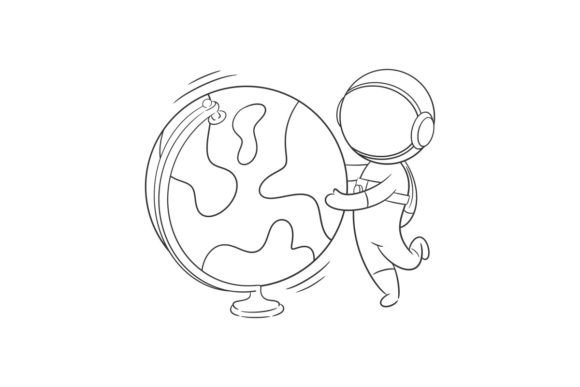
Imagine a single image that instantly communicates exploration, global connectivity, and boundless potential. The "Astronaut is Beside the Globe Ball" concept does exactly that, offering a powerful visual metaphor for designers. This versatile graphic asset, available in vector format with no size limit, provides a foundational element for countless creative projects. Its availability in AI, PNG, and JPG versions ensures seamless integration into any design workflow, from large-scale print to digital media.
The Power of Metaphorical Imagery in Branding
In visual communication, a strong metaphor accelerates understanding. An astronaut representing human achievement and curiosity, coupled with a globe symbolizing worldwide reach, creates an immediate narrative. This pairing is invaluable for brands in technology, education, travel, sustainability, and innovation. It helps establish a brand identity that feels forward-thinking, universal, and ambitious without relying on lengthy explanations.
For logo design, this imagery can be simplified into an iconic mark. The visual hierarchy is clear—the astronaut's stance and the globe's placement guide the viewer's eye, creating a balanced and memorable composition. When selecting such an asset, consider its scalability. A vector format guarantees that your mark remains crisp whether it's on a business card or a billboard, maintaining professional presentation across all touchpoints.
Practical Applications Across Design Disciplines
The utility of the astronaut and globe motif extends far beyond a single logo. Its adaptability makes it a valuable creative asset for a wide array of applications.
- Marketing & Social Media Graphics: Use the illustration in hero banners for website design, blog post headers, or social media content to instantly convey themes of innovation and global impact. It adds visual interest and supports the message in digital marketing campaigns.
- Editorial & Web Design: In editorial layouts, this graphic can break up text-heavy pages, providing a compelling visual anchor. For UI design, it can serve as an engaging illustration in onboarding screens or feature highlights, enhancing the overall user experience.
- Packaging & Merchandise: On product packaging design, the image can tell a story about the brand's mission or the product's global inspiration. It translates beautifully onto merchandise like apparel, posters, and digital products, adding a premium, creative feel.
- Presentations & Advertising: In presentations, it serves as a powerful opening slide or section divider, setting a tone of exploration. For advertising campaigns, it provides a modern aesthetic that captures attention and communicates a complex idea at a glance.
Tips for Effective Integration
To maximize the impact of this visual element, thoughtful integration is key. First, ensure consistency with your existing color palette. You can often recolor vector assets to match your brand's primary and secondary hues, strengthening brand identity. Second, consider the surrounding typography. Pair the graphic with clean, modern sans-serif fonts for a tech-forward look, or with elegant serifs for a more sophisticated tone.
Always evaluate the design's context. In a busy layout, the astronaut illustration might work best as a subtle background element or a watermark. In a minimalist design, it can be the central focal point. The goal is to create a cohesive visual system where all elements—from imagery to typography—work in harmony to guide the viewer and reinforce the core message.
Thoughtful design choices are what separate mediocre visuals from impactful communication. Quality creative assets like the astronaut and globe vector provide a robust starting point, but their true value is realized through skilled application. By leveraging such resources with an eye for composition, color, and context, designers and creators can efficiently produce work that is not only aesthetically pleasing but also strategically effective, elevating both brand perception and audience engagement.