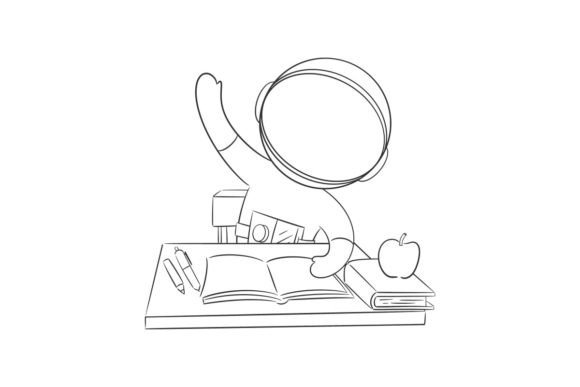
Astronaut is at School with Books: A Creative Asset
Imagine a design element that instantly sparks curiosity, blends nostalgia with futuristic wonder, and tells a complete story in a single glance. This is the power of a well-executed concept like the astronaut is at school with books, a versatile visual narrative perfect for modern branding and content. It’s more than just an illustration; it’s a gateway to creating memorable, engaging designs that resonate across various platforms and audiences.
Visual Storytelling for Modern Brands
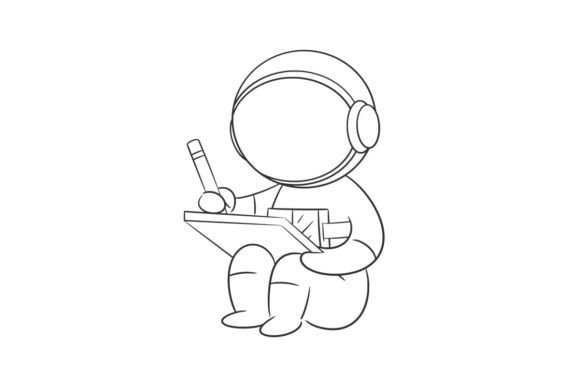
In today's saturated digital landscape, effective visual communication is paramount. A compelling image like an astronaut studying in a school setting creates an immediate emotional connection. It juxtaposes the familiar (learning, books) with the extraordinary (space exploration), symbolizing curiosity, ambition, and the endless pursuit of knowledge. This powerful metaphor can be leveraged to strengthen a brand's identity, making it appear innovative, thoughtful, and aspirational. For graphic designers, it’s a foundational asset for building a cohesive and intriguing brand narrative.
Practical Applications Across Design Disciplines
The true value of a high-quality creative asset lies in its versatility. The astronaut with books motif can be adapted to serve numerous design goals, ensuring consistency while keeping content fresh. Its vector format means it scales flawlessly, from a tiny favicon to a massive billboard, without losing clarity.
- Branding and Logo Design: Use it as a central icon for educational tech startups, bookstores, science museums, or tutoring services. It instantly communicates a brand's core mission.
- Marketing and Social Media: Create standout social media graphics, blog post featured images, and email headers. The visual hierarchy it provides guides the viewer's eye naturally.
- Web and UI Design: Incorporate it into hero sections, loading animations, or onboarding screens to add personality and improve user experience (UX) with a memorable touch.
- Editorial and Packaging Design: Elevate magazine layouts, book covers, or product packaging for educational kits, making them visually appealing and shelf-ready.
- Advertising and Presentations: Use it in campaign materials or slide decks to capture attention and simplify complex ideas about learning, innovation, and progress.
Tips for Effective Implementation
To maximize impact, integrate this asset thoughtfully within your broader design system. Consider these factors for a polished, professional result:
Consistency and Scalability: Ensure the asset's style aligns with your existing color palette and typography. Because it's a vector, you can easily adjust colors to match brand guidelines. Test its readability at various sizes to maintain visual hierarchy in all applications.
Audience and Context: Tailor its use to your audience. For a younger demographic, pair it with bright, playful colors. For a corporate training platform, use it with a more subdued, professional palette. The composition should always support the overall message, not distract from it.
Creative Composition: Don't just place the asset; integrate it. Use it as part of a larger illustration, as a pattern element, or as a focal point surrounded by negative space. Thoughtful composition enhances the narrative and strengthens the visual flow.
Ultimately, choosing the right creative assets is about more than aesthetics; it's about effective communication. A thoughtfully designed and versatile element like the astronaut is at school with books provides a strong foundation for projects that need to inspire, educate, and connect. By prioritizing quality and strategic application, designers and creators can ensure their work not only looks exceptional but also achieves its intended communicative goal, elevating both the brand and the user experience.