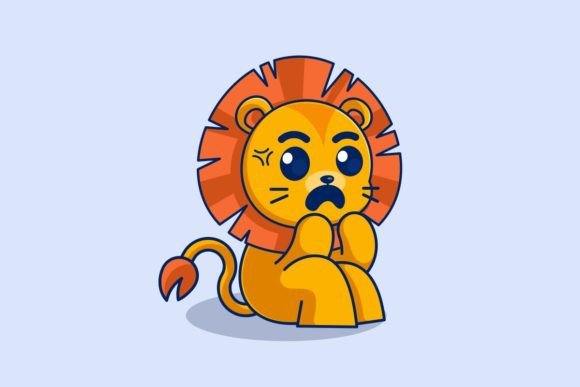
Designing with Emotion: The Cute Lion Feeling Scared
Every designer knows the power of a single, evocative image to tell a complex story. Imagine a character that instantly conveys vulnerability and relatability—this is the essence of The Cute Lion is Feeling Scared. This specific vector illustration captures a universally understood emotion in a charming, approachable way, making it an invaluable asset for modern graphic design. It’s more than just a cute drawing; it’s a strategic tool for visual communication that can connect with audiences on a human level.
Why This Emotional Vector Matters in Design
In a digital landscape saturated with generic imagery, assets that convey genuine emotion stand out. The "scared" expression on a typically brave animal like a lion creates a compelling narrative contrast. This makes it perfect for projects that need to discuss challenges, fears, new beginnings, or empathy. For brand identity, it can soften a corporate message or make a children's brand deeply relatable. Its vector format ensures it scales flawlessly from a tiny favicon to a massive billboard, maintaining crisp lines and vibrant colors throughout.
Practical Applications for Creative Projects
This versatile illustration can be adapted across numerous design disciplines to enhance user engagement and visual storytelling. Consider integrating it into the following:
- Branding & Logo Design: Use as a mascot or secondary mark for brands focused on mental wellness, children's products, or pet care, adding personality and warmth.
- Marketing & Social Media: Create impactful social media graphics, blog headers, or email campaign visuals that discuss overcoming anxiety or starting something new, driving higher engagement through relatability.
- Web & UI Design: Employ as a friendly guide in user interfaces, particularly for onboarding sequences, error pages, or tutorial sections where users might feel uncertain.
- Editorial & Packaging Design: Illustrate articles on emotional intelligence or children's book covers. On packaging, it can signal a gentle, safe product, appealing to conscious consumers.
- Digital Products & Presentations: Enhance slide decks discussing change management or personal growth. It’s also ideal for digital planners, stickers, or educational materials that teach emotional awareness.
Tips for Integrating Emotional Assets Effectively
To maximize the impact of a powerful element like the scared lion, thoughtful integration is key. First, ensure it aligns with your project's visual hierarchy. It should support, not overpower, your core message. Pay close attention to color palette compatibility; the lion's colors should harmonize with your existing brand system for a cohesive look. Always consider your audience's expectations—a playful style suits a toy brand, while a more subdued version might work for a therapeutic app.
Scalability is inherent in its vector nature, but composition matters. Pair it with complementary typography that echoes the intended tone—rounded, friendly fonts for a softer feel, or clean sans-serifs for a modern, professional presentation. The goal is to create a seamless dialogue between all visual elements, where the illustration enhances clarity and emotional resonance rather than causing distraction.
Ultimately, selecting high-quality creative assets like this is an investment in effective communication. A well-chosen design element does more than decorate; it clarifies complex ideas, strengthens brand memory, and fosters a deeper connection with your audience. By prioritizing assets that carry emotional weight and professional execution, you elevate the entire design workflow, leading to more impactful and meaningful creative outcomes.