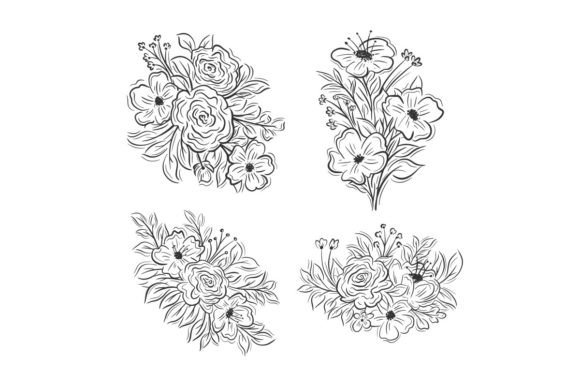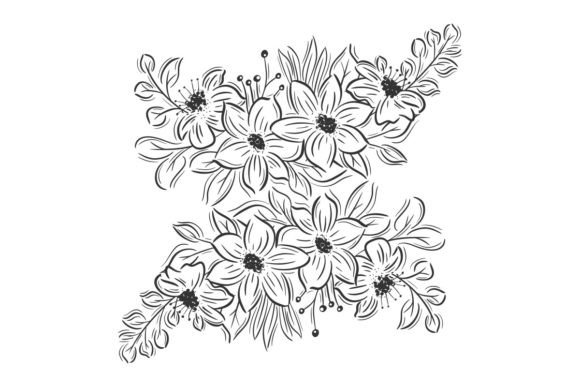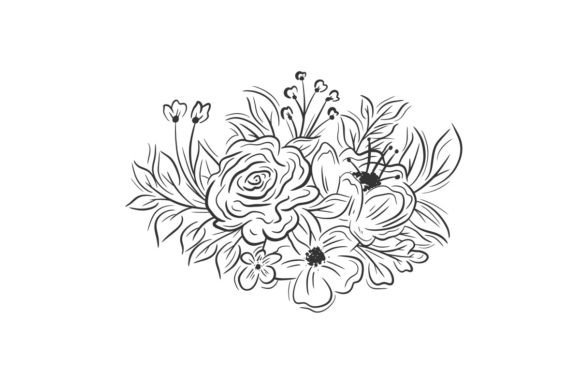
Floral Bouquets Elements: A Designer's Essential Asset
In the dynamic world of graphic design, the right visual elements can transform a good project into an unforgettable one. Floral Bouquets Elements, particularly those presented on a clean white background in vector format, offer a versatile and powerful tool for creating designs that resonate with elegance and modernity. These assets are not merely decorative; they are fundamental building blocks for effective visual communication, capable of elevating brand identity and captivating audiences across numerous platforms.
The Role of Florals in Modern Visual Design
Floral motifs have transcended traditional aesthetics to become a cornerstone of contemporary graphic design. Their organic shapes and natural beauty introduce a sense of sophistication, warmth, and approachability. When isolated on a white background, these elements gain incredible flexibility, allowing them to be seamlessly integrated into any color palette or layout without visual conflict. The vector format ensures they remain crisp and scalable, whether used as a subtle accent on a business card or as a bold statement on a billboard. This adaptability makes them invaluable for designers aiming to create cohesive and professional presentations that speak to a broad audience.
Practical Applications Across Creative Projects
The utility of high-quality floral elements spans the entire design spectrum. Their application can significantly enhance the effectiveness and appeal of various creative outputs.
- Branding and Logo Design: Incorporating floral elements can soften a brand's image, suggesting growth, creativity, and attention to detail. They work beautifully for beauty, wellness, fashion, and artisanal brands.
- Marketing and Social Media Graphics: Eye-catching social media posts, email headers, and digital ads benefit from the instant visual interest florals provide, boosting engagement and click-through rates.
- Website and UI Design: Used as background textures, section dividers, or icon accents, they contribute to a polished user experience (UX) and reinforce a brand's visual language throughout the digital interface.
- Packaging and Editorial Design: Product packaging, book covers, and magazine layouts gain shelf appeal and a premium feel through thoughtful floral arrangements, enhancing the overall tactile and visual experience.
- Presentations and Merchandise: Corporate presentations become more engaging, and merchandise like tote bags or apparel can achieve a unique, stylish aesthetic that stands out in the market.
Tips for Selecting and Using Design Elements Effectively
Integrating any design asset requires a strategic approach to ensure it enhances rather than overwhelms. When working with floral elements, consider the following to maximize their impact:
- Align with Brand Identity: Choose elements that reflect the brand's personality. Delicate line art suits minimalist brands, while lush, detailed illustrations can convey luxury or tradition.
- Maintain Visual Hierarchy: Use florals to guide the viewer's eye. They can frame key text, highlight a call-to-action, or create a focal point without competing with the core message.
- Ensure Consistency and Scalability: Vector files are perfect for this. They maintain quality across all sizes, ensuring your designs look professional in both digital and print formats.
- Harmonize with Typography and Color: Pair floral elements with complementary typefaces and a cohesive color scheme. This creates a unified composition that feels intentional and polished.
Ultimately, the thoughtful selection of creative assets is what separates competent design from compelling design. High-quality resources like Floral Bouquets Elements provide a foundation for innovation, allowing designers to execute their vision with precision and flair. By focusing on usability, scalability, and aesthetic harmony, these elements become more than just decoration—they become essential tools for crafting memorable brand experiences and powerful visual narratives that connect with people on a deeper level.