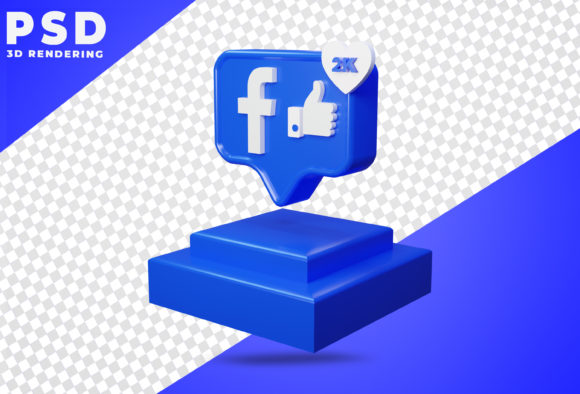
3D Logo Like Facebook Rendering: A Modern Design Asset
In the fast-paced world of digital branding, a flat logo is no longer enough to capture attention. A 3D Logo Like Facebook Rendering offers a dynamic, modern aesthetic that instantly elevates a brand's visual identity. This specific style mimics the clean, extruded look popularized by major tech companies, providing depth and a tactile quality that resonates with contemporary audiences. It’s a powerful tool for designers looking to add a layer of sophistication and realism to their projects without starting from scratch.
The Role of Realistic Rendering in Visual Communication
Effective visual communication relies on more than just a clever icon; it demands a presentation that feels credible and engaging. A high-quality rendering transforms a simple vector into a tangible object, strengthening brand perception. When clients or stakeholders see a logo presented in a realistic 3D environment, it bridges the gap between a digital concept and a real-world application. This approach is particularly valuable in digital marketing and social media graphics, where scroll-stopping power is essential.
This asset isn't just for logos. The accompanying mockup allows you to display any artwork, canvas print, or photo in a realistic interior setting. This is invaluable for:
- E-commerce presentations: Show how art prints look hanging on a wall in a styled room.
- Portfolio displays: Add context to your web design or graphic design projects.
- Client pitches: Present your creative projects in a professional, tangible format.
Practical Applications Across Design Disciplines
The versatility of a rendered 3D logo or mockup extends across numerous fields. In branding and logo design, it helps visualize how an identity system will live in the physical world, informing decisions about color palette and typography. For packaging design, seeing a logo on a 3D surface is crucial for understanding scale and visual hierarchy.
Consider these key applications:
- Website & UI Design: Use the 3D effect for hero sections or app icons to create a modern, engaging user experience (UX).
- Advertising Campaigns: Create high-impact visuals for banners and ads that stand out against flat competitors.
- Merchandise & Print Design: Preview how designs will look on physical products before production.
- Editorial Design: Add depth to magazine layouts or blog post headers.
Streamlining Your Design Workflow
Efficiency is key in any design workflow. This resource is delivered as a layered Photoshop PSD file with a smart-object layer, meaning it works with any image size and ratio. The process is simple: open the file, double-click the smart object thumbnail, insert your image, and save. The frame and perspective automatically adjust to your artwork, ensuring a perfect fit every time. This eliminates the tedious manual adjustments often required in visual design.
Tips for Effective Implementation
When using a 3D Logo Like Facebook Rendering or any interior mockup, context is everything. Ensure the surrounding environment complements, rather than distracts from, your main design. Pay attention to lighting and shadows within the mockup to maintain realism. For brand identity consistency, use the mockup’s style to reinforce your brand’s aesthetic—whether it’s minimalist, corporate, or artistic.
Always consider your audience’s expectations. A sleek 3D render works beautifully for tech startups and modern brands but might feel out of place for a heritage brand aiming for a rustic feel. Use these assets to tell a visual story that aligns with your design goals and visual hierarchy.
Ultimately, the quality of your presentation speaks volumes about the quality of your work. By incorporating thoughtful, high-fidelity assets like a rendered 3D logo or a realistic interior mockup, you not only enhance the aesthetics of your designs but also improve their communicative power. It’s a strategic choice that elevates both the creator's portfolio and the client's brand.