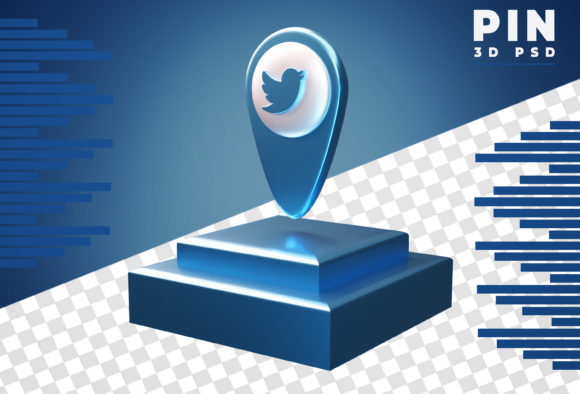
3d Pin Logo Twitter Rendering: A Dynamic Branding Asset
Imagine your logo not just as a flat graphic, but as a tangible, three-dimensional object pinned to a virtual wall or board. This is the powerful concept behind a 3d Pin Logo Twitter Rendering. It transforms a standard brand mark into an engaging, tactile visual that immediately captures attention on social media feeds, particularly Twitter, where dynamic imagery stands out. This technique bridges the gap between digital design and physical reality, offering a sophisticated way to present your brand identity with depth and character.
In modern graphic design, visual communication must be instant and memorable. A 3D pin rendering achieves this by adding dimension, shadow, and a sense of place. It suggests your logo is part of a curated collection, a mood board, or a physical pin board, making it feel more authentic and relatable. This approach is invaluable for branding and logo design, as it showcases how a mark might look in real-world applications, strengthening brand identity through a professional presentation that feels both innovative and grounded.
Practical Applications Across Creative Projects
The versatility of a 3D pin logo rendering extends far beyond a single social media post. It serves as a multifaceted creative asset that can enhance numerous facets of a design workflow. Consider its utility in these key areas:
- Social Media Content & Digital Marketing: Create standout profile graphics, announcement posts, or campaign visuals that stop the scroll. The added dimension increases engagement and shareability.
- Brand Identity Presentations: When pitching to clients or documenting brand guidelines, presenting the logo in a 3D environment demonstrates its versatility and application in a visual hierarchy, moving beyond flat sheets.
- Website & UI Design: Use the rendered image as a hero element on a homepage, an "About Us" section, or as part of a portfolio to add visual interest and break up monotony in web design.
- Packaging & Merchandise Mockups: Visualize how a logo might appear on physical products like pins, patches, or merchandise tags, aiding in packaging design conceptualization.
- Editorial Design & Advertising: Incorporate the rendering into blog post headers, digital magazine layouts, or online ad banners to create a cohesive and modern aesthetic that tells a story.
Integrating This Asset into Your Design System
Effectively utilizing a 3D pin rendering requires thoughtful integration with your existing brand identity system. Consistency is paramount. The color palette, lighting, and background of the rendering should align with your brand's overall visual design language. If your brand uses a specific set of textures or environments, ensure the mockup complements these elements to maintain a unified look across all platforms.
When selecting or creating such an asset, evaluate its flexibility. A high-quality rendering, like the one provided as a layered Photoshop PSD file, allows for deep customization. The use of a smart-object layer is a critical feature for any designer. This technology ensures your artwork automatically adjusts to the perfect size and ratio, preserving the integrity of your logo design without distortion. It streamlines the design workflow, allowing for quick iterations and experimentation with different brand assets.
Remember, the goal of any visual design element is to enhance communication. A 3D pin rendering does more than just look impressive; it adds context, emotion, and a narrative. It can evoke a sense of craftsmanship, community, or curated style, depending on the composition and accompanying elements. By choosing a rendering with a clean, versatile background and realistic shadows, you ensure the focus remains on your logo while benefiting from the added depth. This thoughtful approach to design trends and asset selection ultimately elevates your work, making your brand identity more engaging and your creative projects more impactful. Investing in quality mockups and understanding how to leverage them is a hallmark of a sophisticated design practice that values both aesthetics and strategic communication.