Computer Monitor Mockup: Elevate Your Digital Portfolio
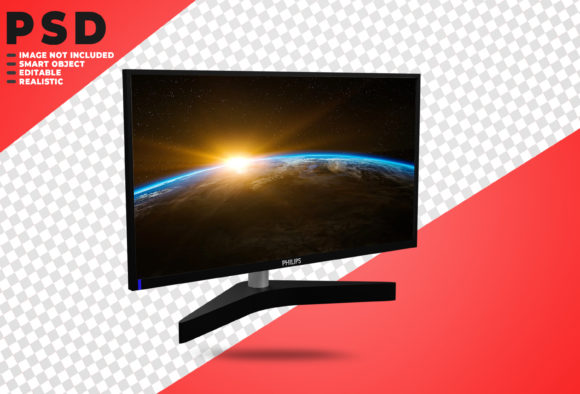
Imagine presenting your latest website design or digital artwork not as a flat file, but as a vibrant, realistic scene on a sleek desktop screen. A high-quality computer monitor mockup is an indispensable asset for any designer, marketer, or creative professional aiming to showcase work in a compelling, real-world context. This versatile tool allows you to display your artwork, canvas prints, or photos in your online shop, on your blog, website, or across social media, helping clients and audiences visualize your creations within a beautiful, relatable interior setting.
Why a Realistic Mockup is a Game-Changer for Visual Communication
In the realm of graphic design and digital marketing, presentation is paramount. A static screenshot can feel detached and technical, whereas placing your UI design, brand identity elements, or social media graphics within a monitor mockup adds depth, context, and professionalism. It bridges the gap between concept and reality, making your work tangible. This approach is crucial for strengthening brand identity, as it presents assets in a cohesive environment that reflects modern aesthetics and attention to detail—key factors in building trust and engagement.
Practical Applications Across Creative Projects
The utility of a computer monitor mockup extends far beyond simple display. It’s a powerful tool for a wide array of creative projects, enhancing how you communicate value and quality.
- Branding & Logo Design: Present logo designs, stationery, and full brand identity suites on a monitor to show how they function in a digital workspace.
- Marketing & Advertising: Create persuasive visuals for ad campaigns, email headers, and promotional materials that grab attention in crowded feeds.
- Web & UI/UX Design: Showcase website layouts, app interfaces, and dashboard designs in a realistic device frame, highlighting user flow and visual hierarchy.
- Digital Products & E-commerce: Display digital art, printable planners, or e-book covers in an online shop setting, increasing perceived value and conversion potential.
- Editorial & Presentation Design: Use mockups to illustrate articles, case studies, or pitch decks, making complex information more accessible and engaging.
Seamless Integration for an Efficient Design Workflow
The true power of a professional mockup lies in its usability. A layered Photoshop PSD file equipped with a smart-object layer is the industry standard for efficiency. This feature allows you to insert your image with remarkable simplicity: open the PSD, double-click the smart object thumbnail, paste your artwork, and save. The mockup automatically adjusts the frame and perspective to match your image's size and ratio, ensuring a perfect fit every time. This streamlined process saves valuable time, allowing you to focus on the creative aspects of your project rather than technical adjustments.
Tips for Selecting and Using Design Elements Effectively
When integrating mockups into your design workflow, consider these factors to maximize impact:
- Consistency is Key: Choose mockups that align with your existing brand's color palette and modern aesthetics. A mismatched environment can dilute your message.
- Focus on Readability: Ensure your design remains clear and legible within the mockup. Pay attention to visual hierarchy and contrast.
- Context Matters: Select a background or interior setting that resonates with your target audience and complements your subject, whether it's a minimalist studio or a cozy home office.
- Scalability: Use high-resolution mockups to maintain quality across all platforms, from social media thumbnails to large printed presentations.
Thoughtful design choices, supported by high-quality creative assets, are what separate good work from great. A computer monitor mockup is more than just a frame; it’s a storytelling device that adds context, professionalism, and emotional appeal to your digital presentations. By investing in versatile tools that enhance your visual design, you empower your work to communicate more effectively, captivate your audience, and ultimately achieve its intended impact, whether in branding, marketing, or pure artistic expression.