EBook Canva Template: Elevate Your Digital Design Workflow
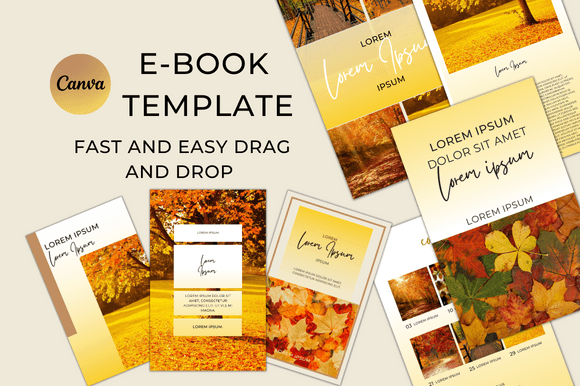
Have you ever wanted to create a custom e-book but didn't know how or where to start? The gap between a great content idea and a professionally designed final product can feel vast, especially without dedicated design software or advanced skills. This is precisely where a versatile EBook Canva Template becomes an indispensable asset, bridging that creative divide with intuitive, browser-based power.
A thoughtfully designed template is more than just a pre-made layout; it's a foundational framework for effective visual communication. It establishes a clear visual hierarchy, guiding the reader's eye through your content logically. By providing a structured grid, consistent typography pairings, and a harmonious color palette, it ensures your e-book is not only beautiful but also highly readable and engaging. This approach is crucial for maintaining brand identity across all your digital touchpoints, from opt-in freebies to comprehensive coaching guides.
Practical Applications Beyond the E-Book
While optimized for creating lead magnets and digital guides, the utility of a robust Canva template system extends far into numerous creative projects. Its modular design allows for seamless adaptation across various media, ensuring brand consistency and saving countless hours in the design workflow.
- Brand Identity & Marketing Collateral: Use the template's style guide—its colors, fonts, and spacing—as a baseline to design social media graphics, email headers, and presentation decks, creating a cohesive brand experience.
- Editorial & Web Design: The principles of good layout within the template, such as balanced composition and strategic white space, can inform the design of blog post featured images, newsletter layouts, and even website UI elements.
- Digital Products & Presentations: Easily repurpose the 16-page structure into a workshop workbook, a course creator's syllabus, or a polished professional presentation, adding immense value to your digital product offerings.
Tips for Effective Customization
To maximize the impact of your template, focus on strategic customization that aligns with your goals. First, prioritize consistency. When altering colors or fonts, ensure every change is applied uniformly to maintain visual harmony. Second, pay close attention to readability; choose typography that is legible at various sizes and ensure sufficient contrast between text and background.
- Evaluate Scalability: Check that design elements, especially logos and icons, remain crisp and clear when scaled. Vector-based elements within a quality template will handle this gracefully.
- Respect Visual Hierarchy: Use the template's suggested headings and text styles to structure your content logically. This guides the user experience, making complex information digestible.
- Align with Audience Expectations: Consider your target reader. A template for a creative coach might embrace bold, modern aesthetics, while a corporate guide may require a more restrained, professional presentation style.
Ultimately, the power of a well-chosen design asset lies in its ability to streamline your creative process while elevating the final output. By providing a professional starting point, it allows you to focus on what truly matters: your message. Thoughtful design choices, supported by quality templates, transform standard content into a compelling visual narrative that strengthens your brand and deepens audience connection.